
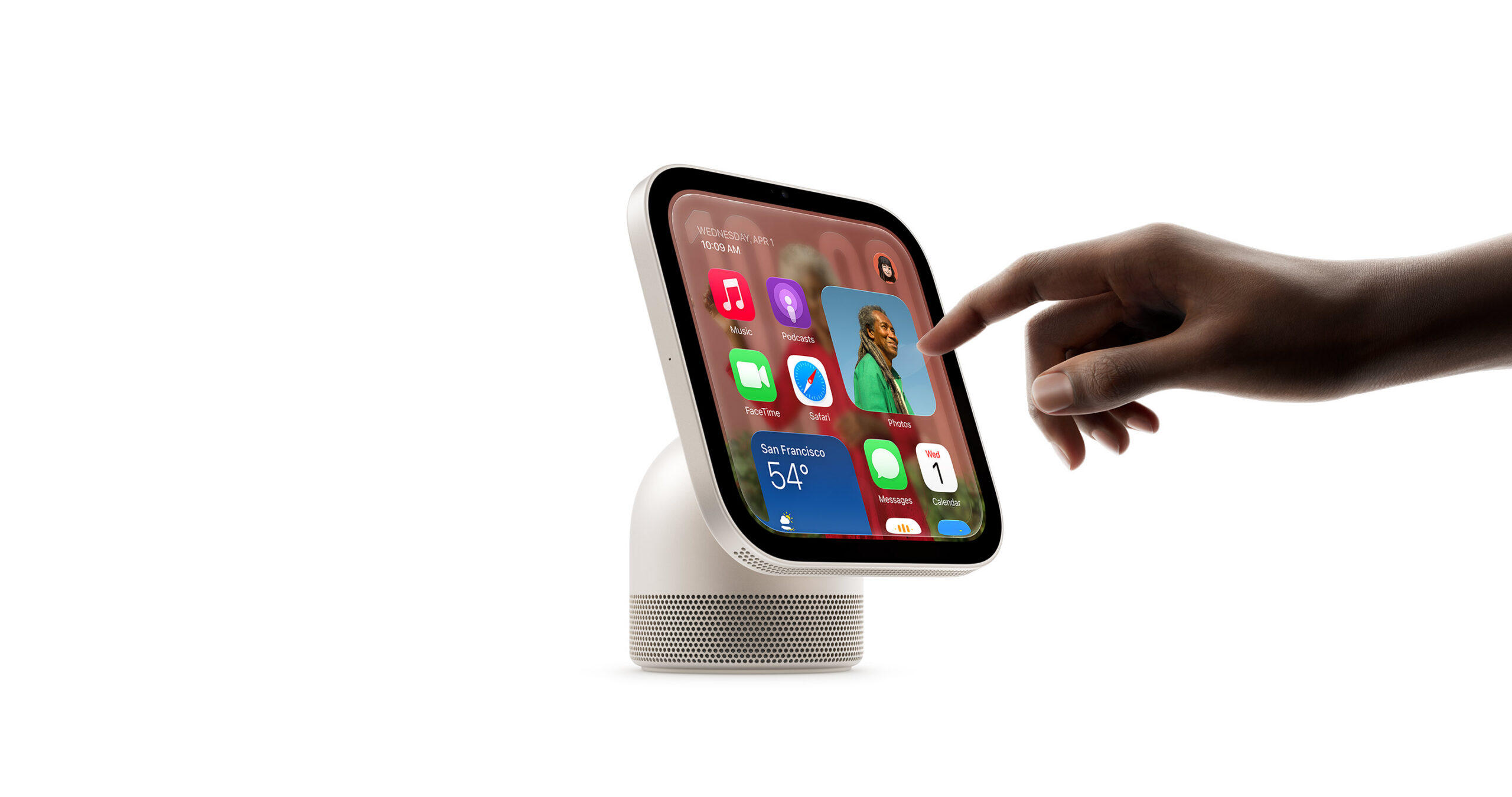
Apple no longer intends to govern the smart home solely from the iPhone. With the rollout of its accessory lineup and a dedicated home display, its aim is to carve out a stronger footing in the hardware market and convert its user base into new channels for its products and services.
Apple does not start from zero in the connected home. Since the 2014 launch of HomeKit, the group has offered a platform that lets users control third-party devices from the Home app. The HomePod and Apple TV can also serve as home hubs.
But this software footprint hasn’t allowed it to assemble a smart-home lineup as broad as those of Amazon and Google, which market their own cameras, doorbells, screens and other devices under the Ring and Nest brands.
The Apple Home Collection aims to address this limitation.
Developed in collaboration with LG Electronics and Schneider Electric, it brings together surveillance cameras, thermostats, temperature sensors, a video doorbell and a connected lock. The products are designed to be configured from an iPhone and controlled with the Home app, without the need for additional accounts or apps from the partner manufacturers.
LG contributes its expertise in consumer electronics while Schneider Electric focuses particularly on thermal comfort.
HomeView, a new device to sell and a constant point of contact
HomeView complements this hardware strategy. This 7-inch screen, priced at $299 in the United States, is designed to stay in a living area. It enables viewing information, using communication features and commanding the compatible devices.
Unlike an iPad, it operates with a dedicated system and does not grant access to the App Store. Siri AI sits at the center of its use, while facial recognition allows the display to be personalized for multiple iCloud profiles.
From Apple’s perspective, the commercial case is twofold.
HomeView represents a new category of hardware, but it can also become a daily entry point to the brand’s services. A screen installed in the kitchen or living room offers more opportunities to use Siri and to control the home’s equipment than a smartphone checked only occasionally.
The question remains whether this usage justifies a $299 price tag.
The cost of the equipment can exceed the price of the display
The pricing strategy for the Apple Home Collection is also a consideration.
In the United States, announced prices start around $40 for sensors and reach up to $350 for the smart lock. Cameras, the video doorbell and thermostats also represent substantial expenditures.
| Product | Price announced in the United States |
|---|---|
| LG Indoor Camera | 199.95 $ |
| LG Outdoor Camera | 299.95 $ |
| LG Video Doorbell | 249.95 $ |
| LG Smart Deadbolt Lock | 349.95 $ |
| LG Smart Thermostat | 199.95 $ |
| LG Temperature Sensor | 39.95 $ |
| Schneider Home Smart Thermostat | 199.95 $ |
| Schneider Home Room Sensor | 39.95 $ |
Source: Apple, press release of October 13, 2026. U.S. prices, excluding installation fees and taxes.
The total cost of a full installation can therefore quickly exceed the price of the display. A household that wants to monitor entry points, regulate temperature and outfit several rooms will need to sum the costs of the various devices, not to mention potential installation fees.
The question of subscription also deserves consideration.
Video recordings are tied to a compatible iCloud+ plan. Apple states that a separate subscription for each camera is not required, but the features available depend on the user’s iCloud+ plan. This potential cost should therefore be included when evaluating the solution.
Product availability also poses another commercial constraint. The cameras are announced for the United States, Canada and the United Kingdom, while the lock and thermostats target the U.S. and Canadian markets. These devices rely on North American standards and installations, so the offering cannot be directly transplanted to the French market.
