
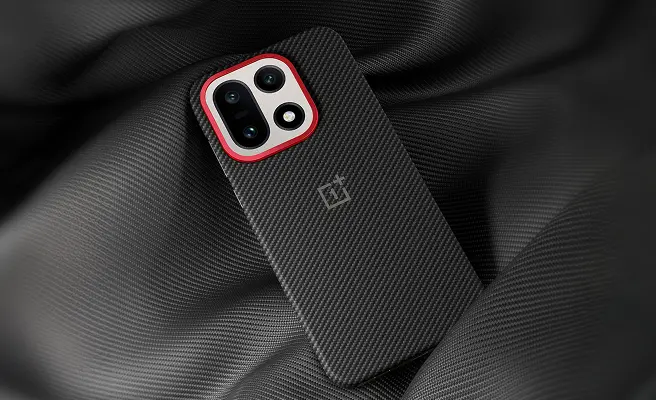
It is now official: OnePlus will no longer launch new products in Europe and North America.
For the existing lineups, the warranty and support will run until their terms expire… but the customer service will be handled by OPPO. It is now this brand that will be pushed in both regions, with OnePlus concentrating on India and China.
The move had been anticipated. There were reports in the spring of layoffs within OnePlus’ European teams. The situation became clearer at the start of July. The company had begun directing visitors to its site in several countries, including France, toward OPPO’s products.
OnePlus and OPPO, a long-shared history
Since its birth at the end of 2013, OnePlus has maintained close ties with OPPO, from which its two founders came. These ties have evolved over time. They have included a capital component, especially since the two brands formed part of the same group. The Chinese multinational BBK Electronics, which was ultimately dissolved in 2023 as regulators’ attention grew, encompassed them.
Two years earlier, OnePlus’ R&D had merged with OPPO’s R&D. In this framework, their respective operating systems (OxygenOS and ColorOS) began converging toward a common code base.
OxygenOS is today largely a “ColorOS rebadge.” Its UI retains certain specifics, but the system has moved away from what it originally was: close to a stock Android experience.
This characteristic, along with an unlocked bootloader and stock-like factory images, had contributed to a certain notoriety among tech enthusiasts. The same goes for CyanogenMod on the brand’s first device: the OnePlus One. Launched in 2014 and then often described as a “phablet” with its 5.5-inch display, it created buzz with its invite-based sales model and its price-performance ratio (3 GB of RAM at the time).
The global market share of OnePlus would, however, never exceed 3%, according to major research firms. OPPO’s share would now hover around 10%.
ColorOS, the only path to Android 17
OxygenOS will remain on Android 16. To upgrade to Android 17 on compatible OnePlus smartphones*, you must transition to ColorOS. The transition will proceed on a voluntary basis, with a rollback option available.
HydrogenOS, the Chinese counterpart to OxygenOS, had disappeared as early as 2021 with the announcement of the ColorOS merger. At the same time, the hardware landscape began to converge, OnePlus moving away from an exclusively high-end positioning. In the same year, its former head launched a competing company that revived the philosophy of an unlocked bootloader: Nothing.
Realme, another OPPO sub-brand, is also moving to ColorOS. And it is withdrawing from the Chinese market.
* Among other devices, in the flagship series: the OnePlus 11, 12, 12R, 13, 13R, 13s, 15 and OnePlus Open. In the Nord series: the Nord 4, 5 and CE5. In the Pad series: the Pad 2 and Pad 3.
