
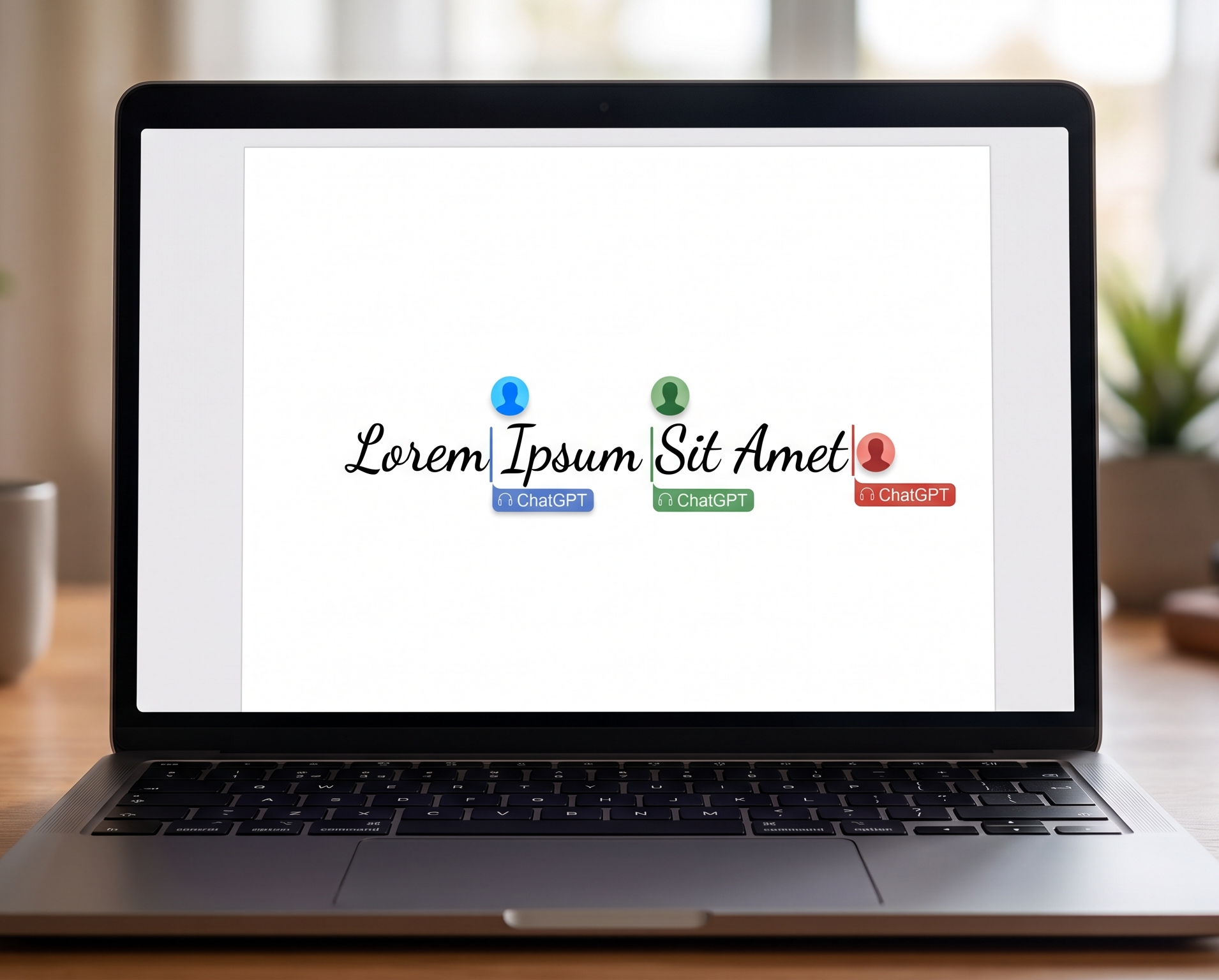
The library is fading away, pages and spaces are arriving, and projects endure: that’s how ChatGPT evolves.
This shift is about more than terminology. It is also functional. With it, OpenAI introduces a layer of collaborative editing. For now, it takes shape as a format called “pages,” comparable to Word documents. The “spaces” serve to organize them, possibly alongside imported files. They are, in a sense, what the “projects” are to conversations, in addition to performing the role previously assigned to the “library.”
The whole set is gradually rolling out across the ChatGPT Pro, Business (formerly Team), and Enterprise plans. Collaborative editing is currently functional on the web and on desktop apps. On mobile, you can only view the pages. Spreadsheets and slides are expected to be added “soon.”
ChatGPT Work had paved the way
OpenAI had already developed the productivity suite aspect with the ChatGPT Work mode. Launched in July on the Business and Enterprise plans, it complements the Chat and Codex modes to support the production of finalized deliverables (text documents, spreadsheets, presentations, reports, and websites), including within Excel and Google Workspace.
The collaboration aspect manifested, for a bit more than a year, through the Canvas feature. Abandoned in spring 2026, it fostered working with GPT on writing and coding projects that required edits and revisions. It allowed, for example, highlighting sections to specify to the AI the points to focus on.
The choice of an enterprise AI assistant still depends greatly on the degree of alignment with a productivity suite, Gartner recently noted. Not without asserting that ChatGPT Enterprise is already sufficiently comprehensive to constitute a coherent alternative to productivity suites.
Recommended supplementary reading:
How OpenAI has positioned itself at the heart of enterprise software
Who is Jacob Coxon, the researcher who claims AI wants to kill us?
GPT-6 Astra, a model that poses problems for OpenAI
Tokenomics: the figures of a FinOps discipline in the making
How Microsoft is shaping the ‘code of conduct’ that will govern its AIs
* Integrated in late 2024, projects focus on discussions. They define system instructions and host reference files.
